


 English
 Español
Movilidad Eléctrica · Guía de Alcance
Una mirada editorial fundamentada sobre hasta dónde llega realmente una bicicleta eléctrica y qué determina silenciosamente ese número.
La autonomía media de una bicicleta eléctrica
el La autonomía media de una bicicleta eléctrica con una sola carga es de entre 20 y 50 millas (32 a 80 km). , aunque esta cifra puede ser tan baja como 15 millas para una conducción de alta potencia y alta velocidad o exceder las 80 millas para un desplazamiento eficiente y con baja asistencia. La autonomía depende en gran medida de la capacidad de la batería, el tipo de motor, el terreno, el peso del ciclista y de cuánto se depende del motor en comparación con el propio esfuerzo de pedaleo del ciclista. un tipico bicicleta de pedaleo asistida eléctricamente equipado con una batería de 500 Wh, conducido en modo de asistencia moderada en terreno plano, generalmente rendirá entre 25 y 40 millas.
elre is no single universal number because range is not a fixed specification like wheel size — it is a variable outcome shaped by how the bike is used. Manufacturers often publish "best case" figures based on ideal conditions, which is why real-world results frequently fall short of advertised numbers. Understanding the variables below will help set realistic expectations before a purchase or a long ride.
Rango por capacidad de la batería
La capacidad de la batería, medida en vatios-hora (Wh), es el mayor determinante del alcance máximo posible. Los vatios-hora se calculan multiplicando el voltaje por amperios-hora, y números mayores generalmente significan más energía almacenada y, por lo tanto, más distancia. La siguiente tabla muestra estimaciones de autonomía típicas para tamaños de batería comunes en condiciones de conducción moderadas.
| Capacidad de la batería | Rango estimado | Caso de uso típico |
|---|---|---|
| 250-350 Wh | 15 a 25 millas | Bicicletas compactas o plegables |
| 400-500 Wh | 25 a 40 millas | Desplazamientos diarios, terreno mixto |
| 600–750 Wh | 40 a 60 millas | Rutas turísticas de larga distancia y de montaña |
| 1000Wh | 60 a 80 millas | Bicicletas de carga y configuraciones de doble batería. |
A Bicicleta eléctrica ligera (la categoría de bicicletas eléctricas diseñadas con baterías más pequeñas y livianas para reducir el peso total) generalmente se encuentra en el extremo inferior de esta escala. Estas bicicletas intercambian un alcance máximo por un mejor manejo, un almacenamiento más fácil y una sensación de pedaleo más natural, lo que las hace más populares para viajes urbanos cortos en lugar de viajes de larga distancia.
Factores clave que afectan el alcance
El tamaño de la batería establece el techo, pero otras variables determinan qué parte de ese rango potencial es realmente utilizable en un viaje determinado.
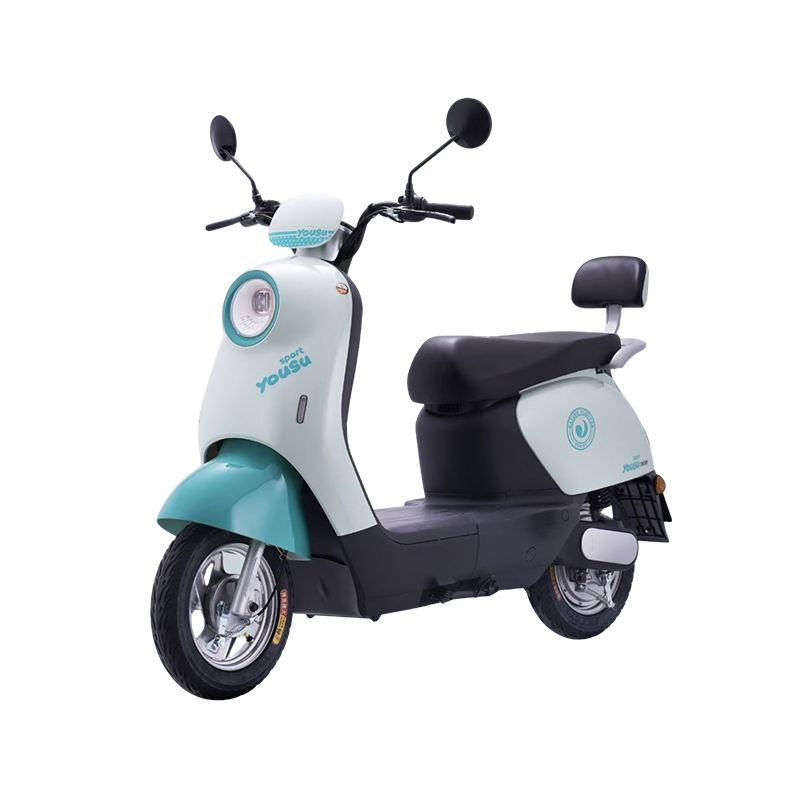
Bicicleta eléctrica ligera
Nivel de asistencia y modo de conducción
La mayoría de las bicicletas eléctricas ofrecen múltiples niveles de asistencia, que generalmente van desde el modo ecológico hasta el modo turbo o de alta potencia. Conducir en modo ecológico puede casi el doble del rango en comparación con andar constantemente en la configuración de asistencia más alta, ya que el motor consume significativamente menos corriente con salidas de potencia más bajas. La conducción solo con acelerador, donde el motor hace todo el trabajo sin necesidad de pedalear, agota la batería mucho más rápido que la conducción con asistencia de pedaleo.
Terreno y elevación
Subir colinas requiere mucha más potencia que andar en terreno llano. Una ruta con un desnivel constante puede reducir la autonomía entre un 20 % y un 40 % en comparación con un trayecto plano de la misma distancia, ya que el motor debe trabajar más contra la gravedad durante todo el ascenso.
Peso del pasajero y de la carga
Una carga total más pesada (incluido el ciclista, la mochila, las alforjas o un pasajero) aumenta la energía necesaria para acelerar y mantener la velocidad. Cada 25 a 30 libras adicionales de peso puede reducir el alcance aproximadamente entre un 5% y un 10%, dependiendo del terreno y el estilo de conducción.
La autonomía rara vez es un número fijo: es el resultado de cientos de pequeñas decisiones que se toman en cada viaje, desde la presión de los neumáticos hasta la elección del modo de asistencia.
Clima y temperatura
Las baterías de iones de litio, del tipo que se utilizan en casi todas las bicicletas eléctricas modernas, pierden eficiencia en temperaturas frías. Conducir en condiciones bajo cero puede reducir la autonomía disponible entre un 10% y un 20% en comparación con un clima templado, mientras que los fuertes vientos en contra añaden resistencia aerodinámica que aumenta aún más el consumo de energía.
Presión y mantenimiento de los neumáticos
Los neumáticos desinflados aumentan la resistencia a la rodadura, lo que obliga al motor a trabajar más para mantener la velocidad. Mantener los neumáticos correctamente inflados de acuerdo con la PSI recomendada por el fabricante es una de las formas más sencillas y que más se pasa por alto de preservar el alcance.
Tipo de motor y su impacto en la eficiencia
el two most common motor placements — hub motors and mid-drive motors — affect efficiency differently, which in turn influences range.
- Los motores de cubo entregan potencia directamente a la rueda y tienden a ser más simples y menos costosos, pero algo menos eficientes en subidas empinadas.
- Los motores de tracción media funcionan a través de los engranajes existentes de la bicicleta, lo que permite que el motor funcione en un rango de RPM más eficiente, especialmente en colinas, lo que puede mejorar el alcance entre un 10 % y un 15 % en condiciones montañosas.
- Los sensores de torsión, que ajustan la potencia del motor en función de la fuerza con la que pedalea el ciclista, tienden a ser más eficientes energéticamente que los simples sensores de cadencia que aplican un nivel fijo de asistencia independientemente del esfuerzo del ciclista.
Rango anunciado versus rango real
Las cifras de autonomía indicadas por el fabricante a menudo se prueban en condiciones ideales y controladas: un ciclista liviano, terreno plano, velocidad moderada, clima templado y la configuración de asistencia más baja. En el uso diario, la mayoría de los conductores deberían esperar El rango en el mundo real caerá entre un 20% y un 30% por debajo del máximo anunciado. . Esta brecha no es un defecto: refleja la diferencia entre las pruebas de laboratorio y las condiciones variables de los desplazamientos reales o de la conducción recreativa.
Información
Al comparar bicicletas eléctricas, es más útil observar la clasificación de vatios-hora de la batería junto con el peso y el tipo de motor de la bicicleta que confiar únicamente en un número de kilometraje anunciado, ya que esa cifra puede variar significativamente según la metodología de prueba.
Cómo maximizar la autonomía de su bicicleta eléctrica
Los ciclistas pueden prolongar significativamente la duración de una sola carga ajustando sus hábitos y manteniendo la bicicleta adecuadamente.
- Utilice el nivel de asistencia más bajo que aún le resulte cómodo, reservando los modos de mayor potencia para colinas o vientos en contra.
- Pedalee activamente en lugar de depender sólo del acelerador siempre que sea posible.
- Mantenga los neumáticos inflados a la presión recomendada para reducir la resistencia a la rodadura.
- Evite aceleraciones innecesarias con paradas y arranques, que consumen desproporcionadamente más potencia que la velocidad constante.
- Guarde la batería a temperaturas moderadas y evite dejarla en condiciones de calor o frío extremos cuando no esté en uso.
- Elimine el peso de carga innecesario antes de viajes más largos.
Advertencia
Dejar una batería de iones de litio completamente agotada durante períodos prolongados puede reducir permanentemente su capacidad a largo plazo: la carga parcial y regular es más cuidadosa con la salud de la batería.
Expectativas de alcance por categoría de bicicleta
Las diferentes categorías de bicicletas con pedaleo asistido eléctricamente están diseñadas en torno a diferentes prioridades de rango, y comprender estas distinciones ayuda a establecer expectativas realistas antes de comprar.
- Bicicletas urbanas de cercanías: Por lo general, ofrecen de 25 a 45 millas, equilibrando el tamaño de la batería con un peso total manejable.
- Modelos plegables y ligeros: A menudo se encuentran en el rango de 15 a 30 millas, priorizando la portabilidad sobre la capacidad máxima de la batería.
- Bicicletas de turismo y trekking: Supere con frecuencia las 50 millas gracias a baterías más grandes diseñadas específicamente para distancias extendidas.
- Bicicletas de carga y utilitarias: El alcance varía ampliamente según la carga, pero los paquetes de baterías más grandes ayudan a compensar el peso adicional del transporte de mercancías o pasajeros.
Para los ciclistas que priorizan la agilidad, el fácil almacenamiento y una sensación de conducción natural en distancias máximas, un Bicicleta eléctrica ligera sigue siendo una opción práctica, especialmente para trayectos más cortos donde el acceso a la carga está disponible en ambos extremos del viaje.
Éxito
Hacer coincidir la categoría de bicicleta con la duración típica de su viaje, en lugar de perseguir el rango más alto anunciado, es la forma más confiable de terminar satisfecho con el rendimiento en el mundo real.
Preguntas frecuentes
¿La autonomía de la batería disminuye a medida que envejece?
Sí. Las baterías de iones de litio pierden capacidad gradualmente a lo largo de cientos de ciclos de carga. La mayoría de las baterías conservan entre el 70 % y el 80 % de su capacidad original después de 500 a 800 ciclos de carga completos, lo que significa que la autonomía disminuirá naturalmente tras varios años de uso regular.
¿Puedo ampliar el alcance con una segunda batería?
Algunos modelos admiten configuraciones de batería dual o paquetes intercambiables, lo que duplica efectivamente el alcance total para los ciclistas que necesitan cubrir largas distancias sin detenerse para recargar.
¿El rango anunciado es una forma confiable de comparar bicicletas?
Ofrece un punto de referencia aproximado, pero comparar la capacidad de vatios-hora, la eficiencia del motor y el peso total de la bicicleta proporciona una imagen más precisa que las cifras de autonomía por sí solas, ya que las condiciones de prueba varían entre los fabricantes.
Precaución
Bajar una batería a cero repetidamente, especialmente en climas fríos, acelera la pérdida de capacidad: la carga planificada se detiene antes de que la batería se agote por completo.
 Anterior